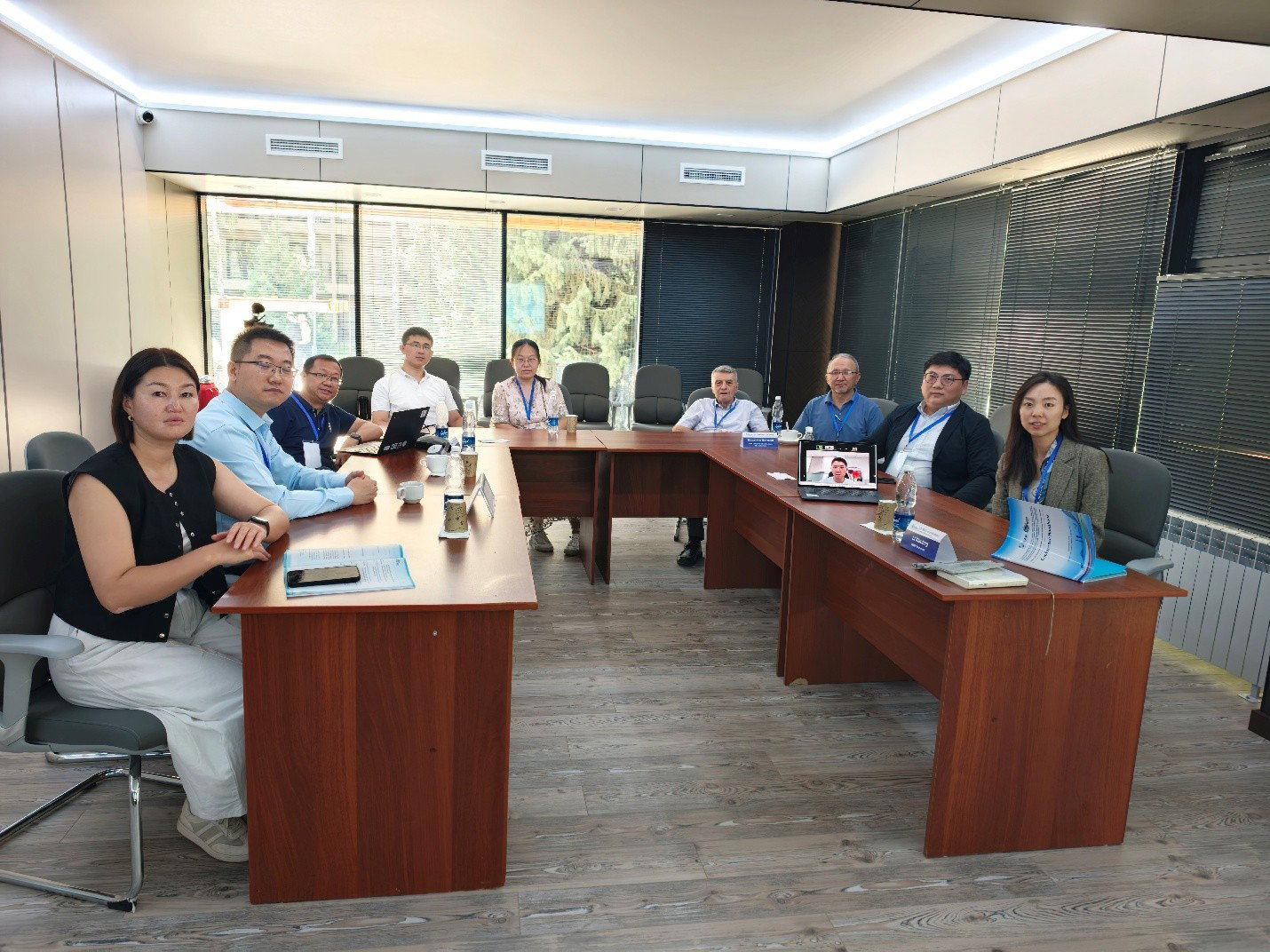
GEOCRI session in DBAR 2026: Cryospheric Carbon-Water-Energy Cycles Under Climate Change and the Implications for Sustainable Development
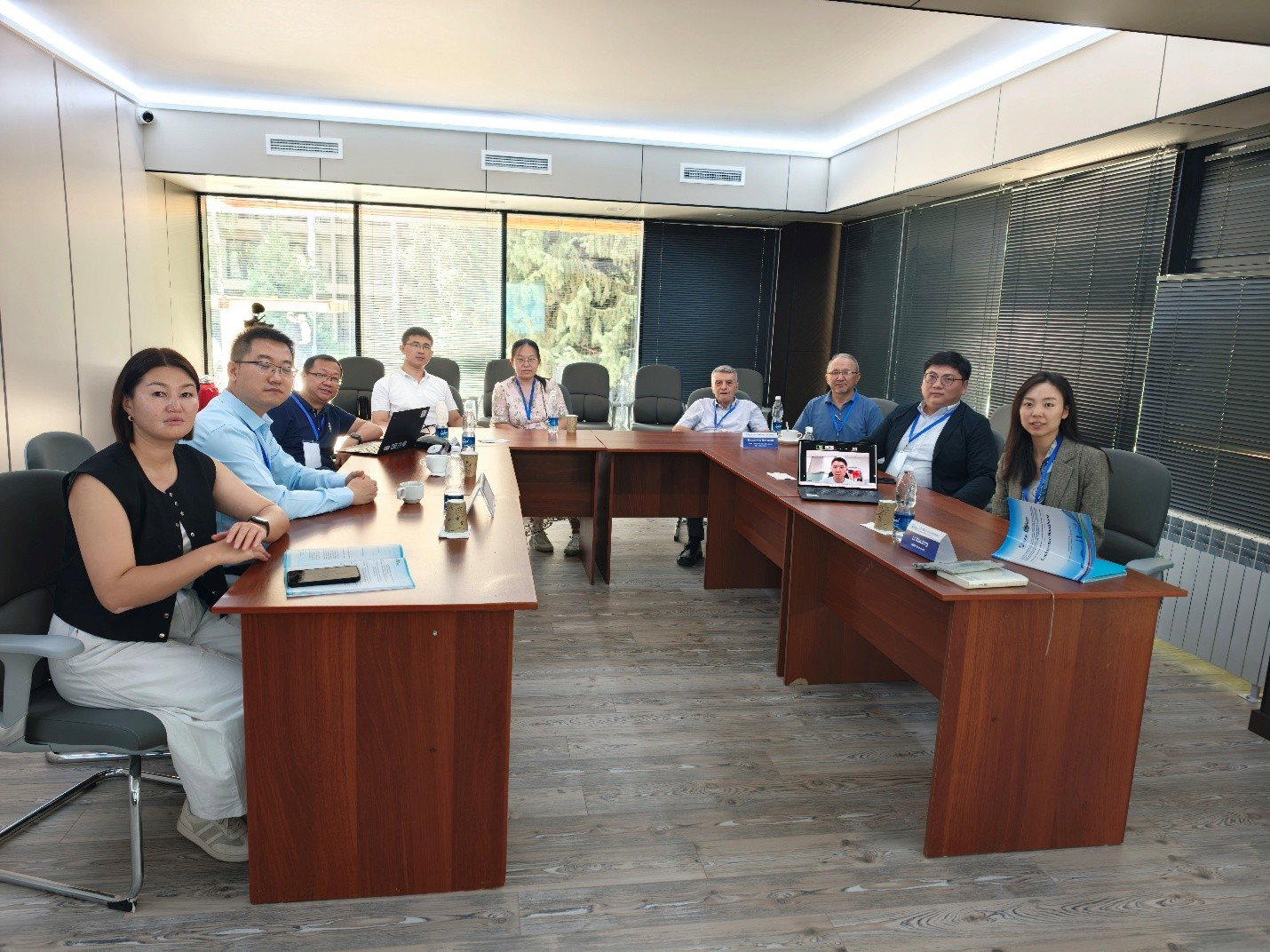
The theme of this session is "Cryospheric Carbon-Water-Energy Cycles Under Climate Change and the Implications for Sustainable Development." Global climate change is profoundly reshaping the cryosphere across the Arctic, the Tibetan Plateau, and their connecting transition zones, with cascading impacts on global carbon-water-energy systems and sustainable development. The climatic coupling between the Arctic and High Mountain Asia is driving profound transformations in alpine meadows, forests, and desert ecosystems across Central Asia. Rapid cryospheric degradation, including glacier retreat, permafrost thaw, and snow cover changes, poses unprecedented challenges to regional water security, agricultural productivity, and renewable energy development. This session focuses on cutting-edge research on cryospheric carbon-water-energy cycles in the Arctic–Asian transition zones, bringing together leading scientists to present the latest advances, explore innovative applications of space observation technologies, and provide evidence-based scientific solutions for sustainable development in these ecologically vulnerable regions.
Four speakers delivered excellent academic presentations during the session. Prof. Massimo Menenti from Delft University of Technology and the Institute of Tibetan Plateau Research, Chinese Academy of Sciences, presented "Cryospheric remote sensing science: highlights of The Dragon 6 program," systematically reviewing the core progress and landmark achievements of the sixth phase of the China–EU Dragon Programme in cryospheric remote sensing science. The presentation showcased innovative applications of multi-source remote sensing technologies and models in monitoring cryospheric elements in cold regions, as well as the fruitful outcomes achieved through international collaborative research. Prof. Yubao Qiu from the International Research Center of Big Data for Sustainable Development Goals (CBAS) delivered a talk titled "Remote Sensing Calibration and Validation in Extreme Cold Environments," focusing on the responses of carbon-water-energy cycles to climate change and the technical challenges of remote sensing calibration and validation in extreme cold environments. He shared technical methods and practical experience in improving the accuracy and quality control of remote sensing products over complex cold-region surfaces, and introduced the scientific positioning and functions of the Mohe Subpolar Environment Observation Research Station (MoSERS), providing key technical support for the reliability and standardization of cryospheric remote sensing data products. Mr. Kun Zhang, a doctoral candidate at the Aerospace Information Research Institute, Chinese Academy of Sciences (AIRCAS), presented online on "Freeze-thaw characteristics of cold deserts in China using passive microwave remote sensing." Based on passive microwave remote sensing, he constructed a quasi-emissivity index and, in combination with a microwave radiative transfer model and ERA5-Land layered soil temperature data, analyzed the changing characteristics of deep-soil freeze-thaw cycles in cold deserts under climate warming, providing new remote sensing observational evidence for understanding hydrothermal processes and their climatic responses in cold desert ecosystems. Dr. Xiaoting Li, Assistant Researcher at the Aerospace Information Research Institute, Chinese Academy of Sciences, shared her research on "Climate Sensitivity of Alpine Vegetation Phenology on the Qinghai-Tibet Plateau." She conducted an in-depth analysis of the sensitivity of spring phenology of alpine grasslands on the Qinghai-Tibet Plateau to climate change, highlighted the advantages of process-based models in estimating phenological climate sensitivity, and revealed the trade-off relationship between temperature sensitivity and precipitation sensitivity of phenology at the regional scale.
Overall, this session featured four oral presentations covering multiple frontier research directions, including international cooperation progress in cryospheric remote sensing, remote sensing calibration and validation technologies in extreme cold environments, remote sensing monitoring of freeze-thaw processes in cold-region cold deserts, and climatic responses of alpine vegetation phenology. Experts and scholars provided valuable scientific insights and technical pathways from diverse perspectives, including technical methods, process mechanisms, and ecological effects, for research on cryospheric carbon-water-energy cycles under climate change and for regional sustainable development practices. These achievements are of great significance for deepening the systematic understanding of cryospheric change mechanisms in the Arctic–High Mountain Asia transition zone, supporting water security and ecological sustainability in cold regions and along the Belt and Road, and promoting the interdisciplinary integration of cryospheric science and remote sensing technology. Meanwhile, the session further served as a platform for international cooperation in cryospheric research, advancing the in-depth development and project collaboration of related research under international cooperation frameworks such as the ESA Dragon Programme.